Capture the energy, atmosphere and moments that happen only once.
The role
Live-event production brings camera, sound, lighting and production teams together to cover events as they unfold. Unlike a scripted shoot, there may be no opportunity for another take. Preparation, communication and anticipation help the crew capture the moments that matter.
At Optika Film Studios CIC, learners explore how to plan and record music performances, film festivals, award ceremonies, sporting events, talks and community celebrations.
- Event planning, running orders and crew roles
- Multi-camera coverage and live vision mixing
- Performance sound, commentary and audience atmosphere
- Recording, streaming and highlight editing
What you will explore
Understanding the event
Discuss the organiser’s aims, audience and intended use of the footage. Identify key moments, contributors and delivery requirements, whether the project needs a full recording, livestream, highlights or promotional clips.
Planning the coverage
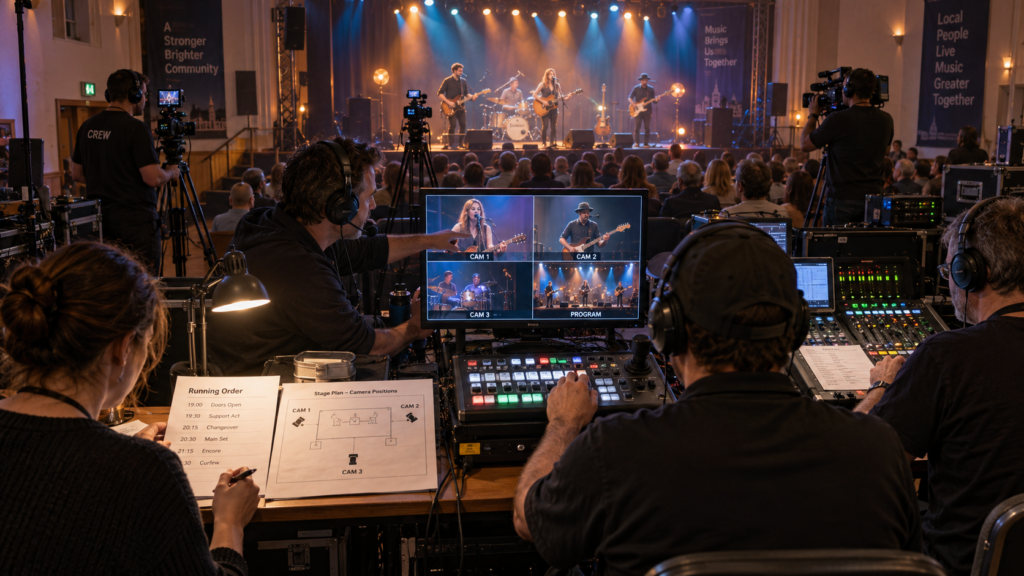
Use a location recce and running order to plan camera positions, access routes, power, sound connections and crew responsibilities. Coordinate with venue staff and consider accessibility, audience sightlines and the impact of filming on participants.
Operating cameras together
Explore wide coverage, close-ups, reaction shots and cutaways. Practise maintaining focus, following unpredictable movement and responding to instructions while giving the live director useful shot choices.
Recording sound and managing lighting
Coordinate with the event’s technical team to capture speech, music and atmosphere. Monitor audio throughout and assess how stage lighting, changing exposure and possible flicker affect the cameras.
Live production and communication
Practise using headsets, camera cues, preview and programme monitors, graphics and a vision mixer. Explore the differences between switching a live programme and recording separate camera feeds for a later edit.
Preparing for problems
Plan for interrupted connections, depleted batteries, recording issues and running-order changes. Agree responsibilities and fallback arrangements before the event begins.
Different events, different demands
Music performances
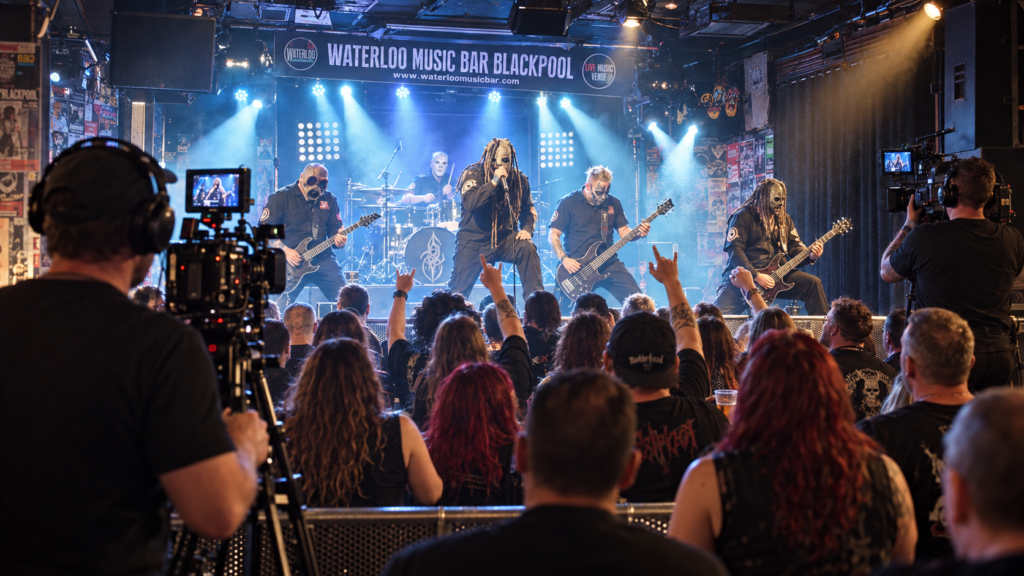
Follow performers, solos and musical changes while combining stage coverage with audience reactions.
Film festivals
Capture introductions, filmmaker interviews, panel discussions and audience responses. Establish which screening material may be recorded or shared.
Award ceremonies
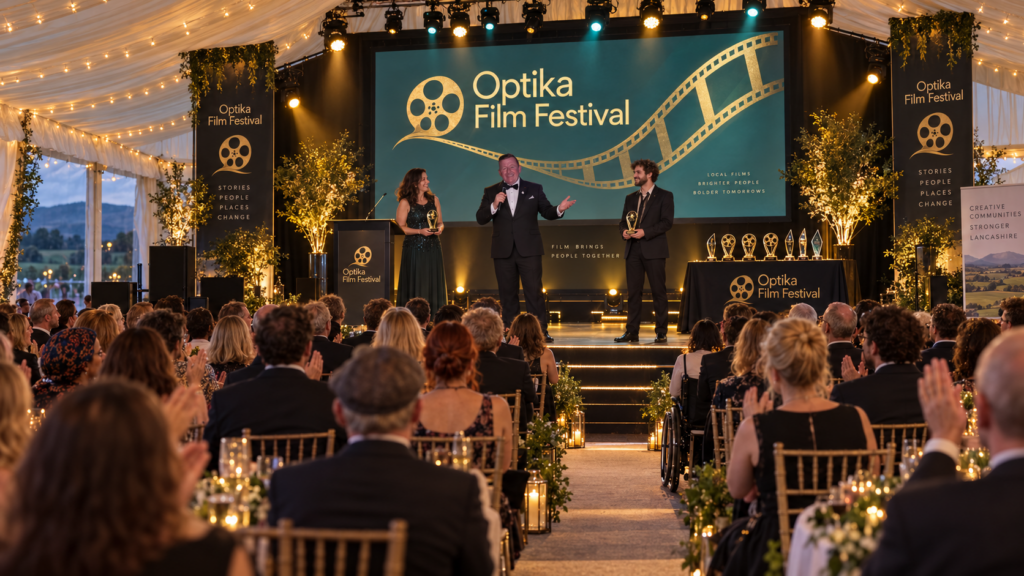
Anticipate announcements, winner reactions, stage entrances, presentations and acceptance speeches.
Sporting events
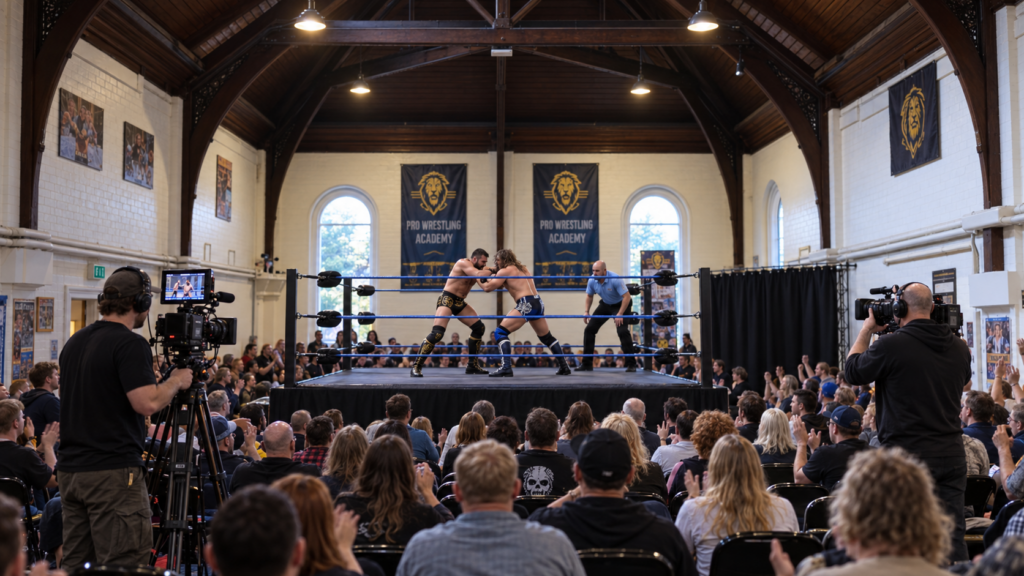
Follow fast action, maintain clear orientation and capture decisive moments, commentary and crowd atmosphere from agreed positions.
Talks and community events
Prioritise clear speech, relevant presentation material and respectful coverage of participants.
Practical project
Work as a crew to cover a small event or staged live-event exercise. Prepare a camera plan and running order, rotate production roles, and produce a short switched programme or edited highlights sequence.
Review the result for coverage, sound quality, timing, teamwork and audience experience.
Who can take part?
Beginners and developing filmmakers are welcome, including people interested in camera operation, sound, lighting, presenting, editing and event coordination.
Interested in taking part?
Tell us what kinds of events you would like to help capture